
| SELECT TrackId, Name, AlbumId, MediaTypeId, GenreId, Composer, Milliseconds, Bytes, UnitPrice FROM Track; |
| SELECT*FROM Track GROUP BY AlbumId; |
| SELECT*FROM Track WHERE AlbumId =3; |
| SELECT AlbumId, ROUND(SUM(UnitPrice), 2) as total FROM Track GROUP BY AlbumId HAVING AlbumId =3ORDER BY total DESC; |
| SELECT AlbumId, ROUND(SUM(UnitPrice), 2) as total FROM Track GROUP BY AlbumId ORDER BY AlbumId; |
| SELECT*FROM Track; |
| SELECT*FROM Genre; |
| SELECT* |
| FROM Genre |
| INNER JOIN Track ONGenre.GenreId=Track.GenreId; |
| SELECTGenre.GenreId, Track.AlbumId, Genre.Name, ROUND(SUM(UnitPrice), 2) as total |
| FROM Genre |
| INNER JOIN Track ONGenre.GenreId=Track.GenreId |
| GROUP BYTrack.AlbumIdHAVINGTrack.AlbumId=3ORDER BY total DESC; |
| SELECTGenre.GenreId, Genre.Name, ROUND(SUM(UnitPrice), 2) as total |
| FROM Genre |
| INNER JOIN Track ONGenre.GenreId=Track.GenreId |
| GROUP BYGenre.GenreIdHAVINGGenre.GenreId=5ORDER BY total DESC; |
| SELECTGenre.GenreId, Genre.Name, ROUND(SUM(UnitPrice), 2) as total |
| FROM Genre |
| INNER JOIN Track ONGenre.GenreId=Track.GenreId |
| GROUP BYGenre.GenreIdORDER BY total DESC; |
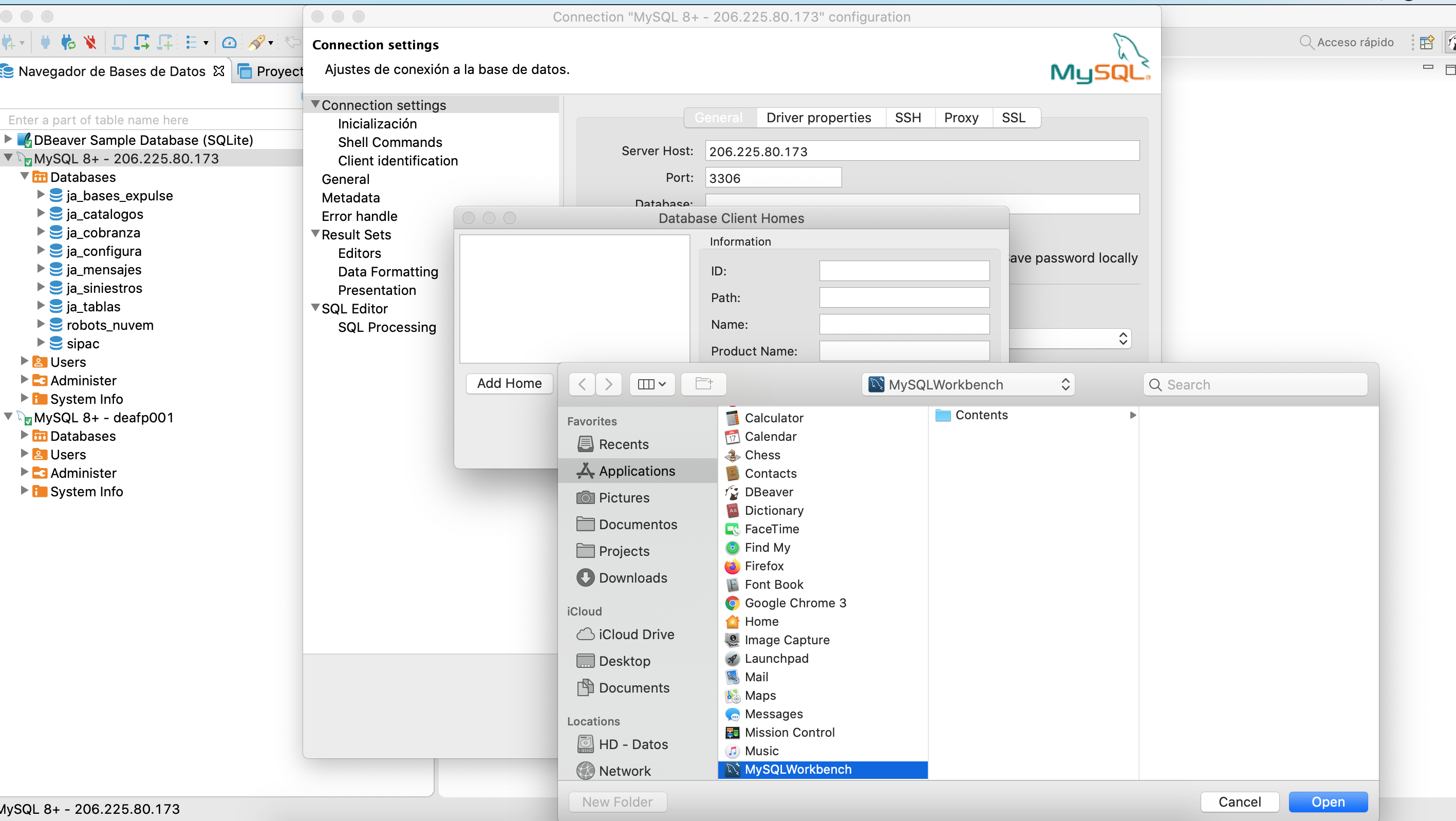
Traditional database development programmes allow the user to edit and run SQL scripts (totally or partially) in the same window, but this is not obvious with DBeaver. When I open a.sql script some drop down boxes in the button bar appear, that seem to serve as connection selectors. DBeaver, free and safe download. DBeaver latest version: Free database tool. DBeaver is a free, multi-platform database management tool for users who need to work with data p. Right-click on the Db Connection in the database navigator (right-click on PostgreSQL) Click on edit connection. Select PostgreSQL tab. Select Show all databases. Click ok to save; Note: I am using DBeaver Enterprise 7.0.0. DBeaver Sample Database (SQLite). GitHub Gist: instantly share code, notes, and snippets.


commented Dec 1, 2019
Step-by-step tutorial on connecting to SQL Server with DBeaver.
Once you've installed DBeaver, you'll probably want to connect to a database. below are instructions for connecting to SQL Server using DBeaver on a Mac.
Note that, although this tutorial uses SQL Server, DBeaver supports many different database management systems.
Launch DBeaver
Click on the DBeaver icon (either in your Launchpad or the Applications folder) to launch the DBeaver application.
Launch the New Connection Wizard
If this is the first time you've launched DBeaver, you'll probably be prompted with the Create new connection dialog.
Expand the SQL Server node, select jTDS driver, and click Next >.
For this tutorial I selected jTDS driver, but by all means select another driver if you prefer.
If the Create new connection wizard doesn't automatically appear when you open DBeaver, go to Database > New Connection to initiate this wizard.
Enter Connection Settings
Enter the connection settings for the SQL Server instance that you'd like to connect to.
If the SQL Server instance is running on your local machine, use localhost.
Also click Test Connection to see if there are going to be any problems with the connection or not.
Download Driver Files (if required)
The connection wizard will tell you if you need to download any driver files. If you do, select the file/s and click Download.
Success Dialog Box
Once the driver has downloaded, a Success dialog is displayed. Click OK.
This dialog box would have appeared at the previous step if you didn't need to download a driver.
Continue with the Connection
Now that the driver has been downloaded, click Next > to continue with the connection.
Network Settings
This step gives you the option of entering any network settings that are required to access the SQL Server.
In this case, the SQL Server is running locally, so leave the default settings and click Next >.
Finish
Change any settings as required. For this tutorial, I left them all at the default settings.
Click Finish to create the connection.


That's it. We just made a new connection to SQL Server with DBeaver.
Dbeaver No Database Selected
The DBeaver interface is now displayed: